

The quality requirements for pipe fittings mainly include the following aspects:
Material selection and inspection: The material of the pipe fittings should be selected according to the characteristics of the working environment and working pressure. Common materials include cast iron, stainless steel, carbon steel, etc. When selecting materials, it is necessary to consider their requirements for corrosion resistance, strength, and sealing. To ensure the quality of pipe fitting materials, chemical composition analysis, mechanical property testing, and non-destructive testing are required.
Appearance quality requirements: The surface of the pipe fittings should be smooth and clean, without obvious defects such as scratches, scars, and pores. The surface smoothness can be tested using a metal surface roughness tester, and the dimensional accuracy should meet the design requirements. The outer diameter, inner diameter, wall thickness, and other dimensions of the pipe fittings need to be accurately measured to ensure their accuracy.
Mechanical performance requirements: The tensile strength, yield strength, and impact toughness of pipe fittings are important mechanical performance indicators. These properties can be tested through tensile and impact tests, and the standard requirements should meet the requirements specified in the relevant standards.
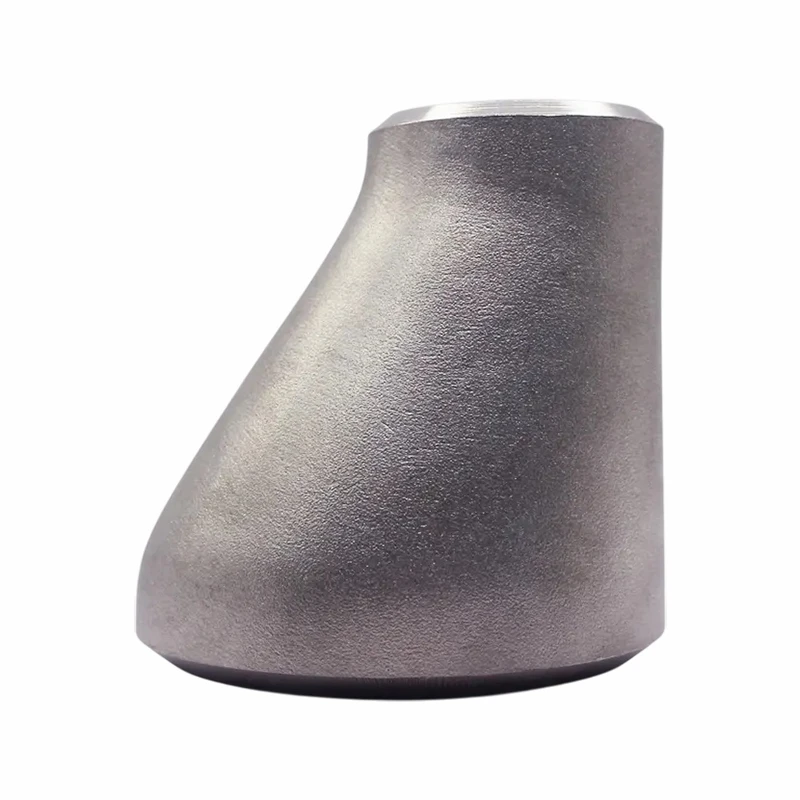
Airtightness requirement: The airtightness of pipe fittings is an important indicator to ensure their reliable connection. During the production process, airtightness testing is required, and the standard requirements should meet the requirements specified in the relevant standards.
Corrosion resistance requirements: Pipe fittings will be affected by corrosion in different working environments, so corrosion resistance is very important. The corrosion resistance of pipe fittings can be tested through corrosion tests, and the standard requirements should meet the requirements specified in relevant standards.
Other quality requirements: The acceptance of pipe fittings should also check the markings, specifications, materials, appearance, and geometric dimensions. Alloy steel parts should undergo spectral and hardness checks, flanges, bolts, nuts, and other accessories should undergo compatibility performance checks, and valves should undergo performance and tightness checks in accordance with relevant national or industry standards.