

Pipe fittings generally include the following materials:
Carbon steel: Carbon steel pipe fittings are the most widely used type of pipe fittings in pipeline systems, mainly composed of carbon and iron. Carbon steel pipe fittings have good wear resistance, corrosion resistance, and weldability, and are suitable for pipeline systems transporting liquids, gases, and other media.
Stainless steel: Stainless steel fittings are high-strength and highly corrosion-resistant fittings, mainly composed of elements such as chromium, nickel, and molybdenum. Stainless steel fittings have good high-temperature resistance and wear resistance, and are suitable for some high-temperature and high-pressure pipeline systems.
Copper: Copper tubing is an excellent material for thermal and electrical conductivity, with copper being its main component. Copper pipe fittings have good corrosion resistance and processability, and are suitable for pipeline systems that transport media such as steam and liquids
Cast iron: Cast iron fittings are an economical and practical type of fittings, mainly composed of elements such as iron, carbon, and silicon. Cast iron fittings have good corrosion resistance and wear resistance, and are suitable for pipeline systems that transport media such as water and oil
Steel plastic composite pipe: Steel plastic composite pipe fittings are a new type of pipe fittings made by combining steel pipes and plastic pipes. Steel plastic composite pipe fittings have the characteristics of corrosion resistance, high temperature resistance, and pressure resistance, and are suitable for pipeline systems transporting chemical media.
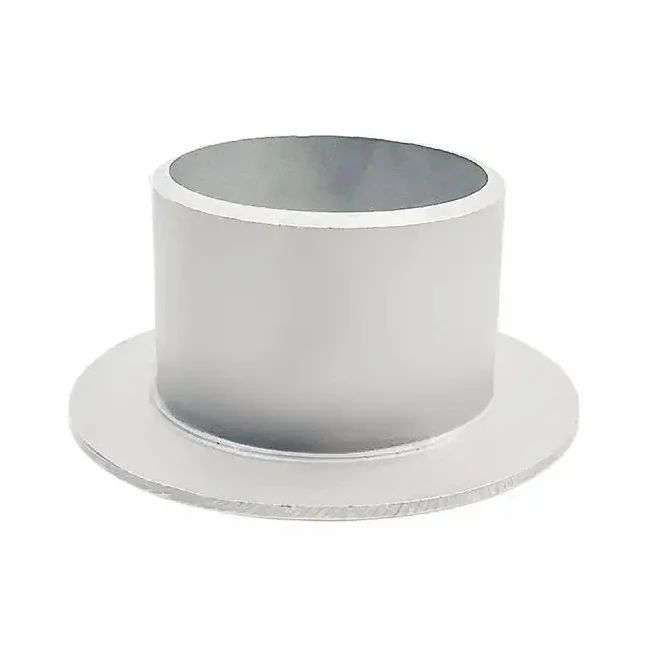
Welded steel pipe: Welded steel pipes are generally made by rolling and welding steel plates or strips, and are divided into galvanized and non galvanized types. Galvanized welded steel pipes are commonly used for pipelines that require relatively clean transmission media, such as domestic water, purified air, etc; Non galvanized welded steel pipes are used for transporting steam, gas, compressed air, etc.
Seamless steel pipe: Seamless steel pipe is the most widely used and diverse pipe material in industrial pipelines, divided into two categories: seamless steel pipe for fluid transportation and seamless steel pipe with specificity. The commonly used manufacturing materials include 10 #, 20 #, 16Mn steel, etc., which are suitable for conveying various non corrosive media to steel.